Common root damage problems fixed by Wandsworth gardeners
Posted on 11/11/2026
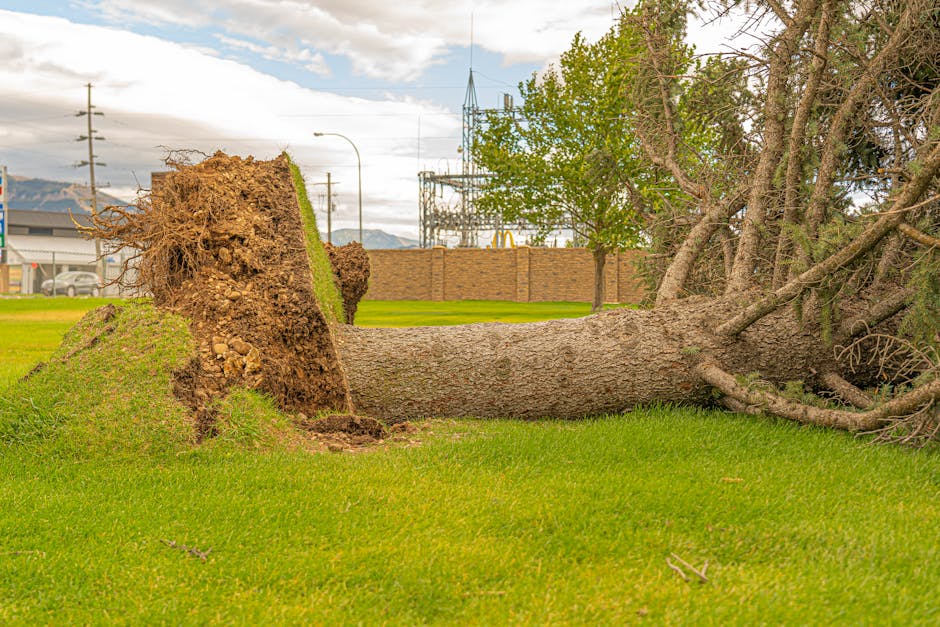
Roots are usually the hidden part of a garden problem, which is exactly why they get overlooked until something obvious goes wrong: a patio starts to lift, a hedge looks thin on one side, or a lawn keeps failing in the same patch no matter how carefully it is watered. In Wandsworth, where many gardens sit close to walls, paths, fences, and mature planting, root issues can become surprisingly disruptive. The good news is that Common root damage problems fixed by Wandsworth gardeners are often manageable once the cause is identified properly and the right fix is chosen. This guide breaks down the most frequent root-related faults, how professionals approach them, and what you can do next if your garden is showing the first signs of trouble.
You may be dealing with a nuisance right now, or perhaps something a little more worrying. Either way, root damage rarely improves by itself. Left alone, it tends to spread, and in a small urban garden that can mean faster damage than you'd expect. Let's get into it properly.
Why common root damage problems fixed by Wandsworth gardeners matters
Root damage is not just about a plant looking a bit sad. In practical terms, it can affect structure, drainage, safety, plant health, and the long-term shape of the garden. When roots become invasive, compacted, exposed, diseased, or damaged by construction, the symptoms often show up elsewhere: cracked hard landscaping, unstable borders, poor lawn growth, leaning shrubs, or sudden plant collapse after dry weather. That is why root work needs a proper eye, not guesswork.
Wandsworth gardens often have a mix of mature trees, compact plots, side returns, raised beds, container planting, and boundary planting. It is a lively mix, but it also means roots and hard surfaces are frequently in close contact. A root problem that might stay quiet in a large rural space can become a real headache in a London garden within a single season. To be fair, that's the reality of urban growing.
There is also the design side. If you are planning improvements, root health influences what can be planted, where paths can go, and how much future maintenance you will need. For example, an area that seems ideal for screening may actually be too tight for a vigorous shrub unless the root zone is managed. If you are working with limited space, you might also find our guide to small garden ideas for limited spaces useful when rethinking how planting and hard landscaping sit together.
How common root damage problems fixed by Wandsworth gardeners works
Fixing root damage starts with diagnosis. That sounds obvious, but it is where many garden repairs go wrong. A browning lawn, for example, might be caused by root compaction, but it could also be drainage, drought, shade, pests, or shallow soil. A trained gardener will look at the whole picture rather than jumping to one dramatic conclusion.
What gardeners usually inspect first
- The affected plant or area and how long the issue has been visible
- Soil condition, compaction, and drainage
- Signs of root exposure, rot, girdling, or mechanical damage
- Whether paving, decking, fences, or walls are restricting the root zone
- Seasonal stress, especially after heat, waterlogging, or frost
- Nearby trees, hedges, or large shrubs that may be competing for moisture
Once the cause is clearer, the fix may involve pruning damaged roots, improving soil structure, easing competition from nearby growth, reducing load on the root zone, installing proper edging or barriers, or replacing plants that are no longer viable. Sometimes the answer is straightforward. Sometimes it is a little more fiddly. Gardening, like life, has those moments.
For example, if roots are pushing up a path, the gardener may need to assess whether the plant can stay, whether the paving can be lifted and relaid, and whether the root system needs space to recover. If the problem is in turf, the solution may include aeration, scarification, topdressing, and sometimes selective replacement. For broader garden repairs and aftercare, garden maintenance in Wandsworth can help keep the issue from returning after the initial fix.
Key benefits and practical advantages
Correcting root damage early saves time, money, and a lot of frustration. More importantly, it protects the parts of the garden you can actually see and use every day. A healthy root system supports better flowering, stronger hedges, more resilient lawns, and longer-lived trees and shrubs. That is the real prize.
What you gain from proper root repair
- Better plant recovery: damaged plants often bounce back faster when stress is reduced promptly
- Safer surfaces: lifted paving and unstable edges are less likely to become trip hazards
- Improved water use: soil that drains and breathes well is easier to manage through dry spells
- More reliable growth: roots that can spread normally help plants establish properly
- Cleaner aesthetics: borders, lawns, and paths look neater when root pressure is controlled
- Lower replacement costs: one well-timed repair is usually cheaper than repeated replanting
There is also a quieter benefit: peace of mind. If you know the root system is being looked after, you stop second-guessing every yellow leaf or raised slab. And that's worth quite a bit on its own.
For readers thinking about broader garden structure, it can help to pair root repairs with smart planting choices. Ground cover, for instance, can stabilise exposed soil and reduce erosion around sensitive areas; see these ground cover ideas for UK gardens if you're planning a replant around a problem zone.
Who this is for and when it makes sense
Root damage services are useful for more people than you might think. They are not only for big gardens with large trees. In fact, a lot of the work happens in modest terraces, shared gardens, and narrow side returns where one stressed root system can affect several features at once.
Good candidates for root problem support
- Homeowners with lifted paving, cracked edging, or moving borders
- People with mature trees or hedges close to paths, drives, or fences
- Gardeners seeing repeated dieback in the same patch of soil
- Anyone with a lawn that keeps thinning in one fixed area
- Landlords or property managers needing the garden made safe and presentable
- Families reworking neglected outdoor space after years of poor growth
It also makes sense when you are planning a bigger change. Say you want to redesign a tired garden, but the roots are dictating what happens where. That's the moment to pause and get the underground picture right first. Otherwise you are redesigning around a problem that will keep pushing back.
If your garden has become overgrown or neglected, root issues are often part of the mess, not separate from it. In that situation, a broader reset may be the better route, and transforming neglect into a blooming garden is a helpful mindset before you start buying plants and paving materials.
Step-by-step guidance
If you are trying to understand how Wandsworth gardeners approach root damage, this is the basic workflow. It is not glamorous, but it is practical, and practical wins here.
- Identify the visible symptom. Look for lifting surfaces, poor plant performance, exposed roots, cracking, dead patches, or unusual leaning.
- Trace the cause. Check whether the issue is caused by root pressure, root rot, compaction, drought, excess water, or physical disturbance.
- Assess risk. Decide whether the problem is cosmetic, structural, or potentially hazardous. A lifted slab near a doorway is more urgent than a patch of tired mulch.
- Choose the intervention. This could be root pruning, soil improvement, selective removal, transplanting, barrier installation, or complete replanting.
- Protect the surrounding area. Temporary supports, edging protection, and careful traffic control may be needed while repairs are carried out.
- Repair and rebuild the planting zone. Replace lost soil, improve drainage, add mulch if suitable, and re-establish the planting layout.
- Monitor the result. Root issues can reappear if the original trigger remains, so a follow-up check matters.
In many gardens, the trickiest part is not the fix itself but deciding how much of the original plant can be saved. With trees and hedges, especially, you do not want to take a heavy-handed approach. The best work is careful, measured, and based on the plant's actual condition. That's where experienced judgment really shows.
For teams that also handle boundary planting or hedge recovery, it can be useful to compare root-related concerns with hedge management more broadly. A good companion read is this piece on accelerated growth hedges, because boundary plants and roots often share the same pressure points.
Expert tips for better results
Here is the bit people usually wish they had heard earlier. Root repair is much easier when you stop the surrounding stress, not just the visible symptom.
What experienced gardeners tend to do
- Work with moisture patterns, not against them. A root zone that stays soggy after rain needs a different fix from one that dries out by lunchtime.
- Leave room for future growth. Many root problems start because a plant was placed too close to hard landscaping in the first place.
- Avoid random cutting. Chopping roots without understanding the plant's balance can make things worse fast.
- Use mulch carefully. Mulch helps, but piling it against stems or trunks can create rot and pest issues.
- Match plants to the site. A thirsty specimen in a dry corner is going to struggle, whatever you do.
One practical observation from everyday garden work: if you keep seeing the same patch fail, the soil is usually trying to tell you something. It may be compacted, starved, overcrowded, or simply the wrong place for that plant. The soil speaks. Quietly, but it does.
Another useful tip is to think seasonally. After a hot spell or a wet winter, root symptoms can look dramatic even when the underlying issue started much earlier. If your garden has also taken a battering from weather, this guide on harsh weather protection is a sensible companion read.
Common mistakes to avoid
Root damage gets worse when people react too quickly or too late. Both are common, and both are avoidable.
- Ignoring early signs: a small lift in paving or a slight lean in a shrub is often the first warning.
- Watering blindly: extra water does not solve every stressed plant, especially if roots are already compromised.
- Over-pruning roots: this can shock plants and reduce stability.
- Planting too close together: crowded roots compete hard, and one plant usually loses.
- Assuming the lawn is the problem: sometimes the lawn is only showing the symptoms of a deeper root issue below.
- Using hard landscaping as a shortcut: paving over a bad root zone may hide the issue briefly, but it does not fix it.
Honestly, this is where a lot of DIY attempts go sideways. A quick tidy can look satisfying for a week, then the same problem returns with interest. Not ideal.
Tools, resources and recommendations
The right tools make root work safer and more accurate. You do not need a warehouse of kit, but you do need the basics if you are inspecting or maintaining problem areas.
| Tool or resource | What it helps with | Best used when |
|---|---|---|
| Border spade | Careful lifting, edging, and soil access | Inspecting shallow root areas or reworking borders |
| Fork or aerator | Loosening compacted soil | Lawn failure or poor drainage around roots |
| Hand trowel | Small-scale excavation near delicate roots | Working around smaller plants |
| Pruning saw or loppers | Removing dead or damaged material | When a root-adjacent shrub or branch needs clean removal |
| Topsoil and organic matter | Rebuilding tired planting beds | After repair, regrading, or root exposure |
| Mulch | Moisture retention and temperature buffering | Stabilising recovered planting areas |
If you are just getting started with hands-on gardening, it is worth building confidence in the basics first. A useful starting point is these beginner gardening tips, which can help you avoid the usual early mistakes around watering, soil care, and plant selection.
For larger or more technical issues, the sensible recommendation is to bring in a professional gardener rather than keep experimenting. Root problems can be linked to trees, decking, patios, fences, and even neighbouring plots. Some jobs are small. Some are not. Better to know than to guess.
Law, compliance, standards and best practice
Root work often sits in a practical grey area: part gardening, part property care, part safety management. In the UK, there is no single rulebook that covers every garden root issue, but there are strong best-practice expectations around safety, property boundaries, and avoiding unnecessary damage to trees and structures.
Where roots affect trees, hedges, or boundary planting, professional gardeners should work carefully and sensibly, especially near shared boundaries, neighbouring structures, and protected planting. If tree work is involved, it is normal to treat the job cautiously and check whether specialist input is needed before any heavy removal. In plain English: do not start hacking at roots if you are not certain what they support.
Good practice also means clear communication. If a root problem may affect a fence, deck, patio, or hard surface, the gardener should explain the likely impact before work begins. That matters for planning, pricing, and avoiding misunderstandings later. If you want a sense of how a service provider frames safety and responsibility, it can be helpful to review the site's health and safety policy and insurance and safety information.
For customers, a few simple expectations are worth keeping in mind: ask what will be removed, what will be preserved, how the area will be made safe, and whether the solution is temporary or long-term. Those are fair questions. In fact, they are the right questions.
Options, methods, or comparison table
Not every root issue needs the same treatment. The best choice depends on the cause, the plant, and the surrounding layout. Here is a simple comparison to make that easier to see.
| Method | Best for | Strengths | Watch out for |
|---|---|---|---|
| Root pruning | Over-extended roots causing conflict with paths or borders | Can protect surfaces and reduce pressure | Must be done carefully to avoid shocking the plant |
| Soil improvement | Compaction, poor aeration, tired beds | Supports recovery and future growth | Does not solve structural root conflicts on its own |
| Transplanting | Plants in the wrong spot or too close to hard landscaping | Resets the planting arrangement | Not suitable for every mature specimen |
| Barrier installation | Roots affecting paving, fences, or neighbouring areas | Helps direct growth and protect structures | Needs correct placement and depth |
| Replacement planting | Severe root decay, long-term stress, or repeated failure | Gives a clean reset | Only useful if the root cause has been corrected first |
There is no one-size-fits-all solution here. Sometimes the least dramatic-looking fix is the smartest one. Sometimes a full replacement really is the cleanest route. The point is to choose with the root system in mind, not just the surface symptom.
Case study or real-world example
Here's a realistic example from a typical Wandsworth-style garden, the kind with a narrow lawn, a small patio, and a border running hard against the fence. A homeowner notices one slab near the back step beginning to tilt. At the same time, a nearby shrub has yellowing leaves on one side, and the grass in the adjacent strip keeps thinning out.
At first glance it looks like three separate problems. It usually isn't. After inspection, the likely cause is root pressure combined with compacted soil and poor drainage in the same strip. The fix is not just to straighten the slab. The gardener may lift the affected paving, check whether roots are causing the movement, improve the sub-base, relieve compaction, and replant with species that suit the space better.
What changed afterwards? The path is safer, the border can breathe again, and the patch stops failing every time the weather turns wet or dry. More importantly, the homeowner now understands why the problem kept returning. That is the real win. Not a dramatic makeover. Just a garden that starts behaving itself.
If that sounds familiar, you are not alone. A lot of root damage work is really about restoring balance between the planted and built parts of the garden. For designs that need both structure and softness, well-designed seating in intimate garden spaces can also help keep circulation and planting zones working together.
Practical checklist
Use this quick checklist if you suspect a root issue.
- Have you noticed lifted paving, edging, or fencing near planting?
- Is one area of lawn repeatedly failing or staying thin?
- Are plants leaning, yellowing, or dying back from the base up?
- Does the soil stay waterlogged or dry out unusually fast?
- Are roots visible at the surface or pressing into structures?
- Has the garden been planted too tightly for its size?
- Could a mature tree, hedge, or shrub be competing for water?
- Have you already tried watering more without real improvement?
- Do you need the area made safe before any further work?
- Would a professional assessment save you from making a costly guess?
And if you are weighing broader upkeep as well, it may be worth combining root repairs with other regular garden tasks rather than treating everything as separate jobs. A tidy, consistent approach usually holds up better over time. Small jobs ignored become big ones. It happens fast.
Conclusion
Root damage may be hidden underground, but its effects are easy to spot once you know what to look for: unstable paving, weak growth, patchy lawns, stressed shrubs, and gardens that seem to be fighting the layout rather than working with it. The best fixes are rarely flashy. They are measured, practical, and based on proper diagnosis. That is why the common root damage problems fixed by Wandsworth gardeners matter so much for both the health and the usability of your outdoor space.
If your garden is showing signs of root pressure, root decay, compaction, or poor establishment, the next sensible step is to get the problem assessed before it spreads further. A careful repair now usually saves a lot of work later, and it helps your garden settle back into something calmer, greener, and far less stubborn.
Get a free quote today and see how much you can save.
When roots are looked after properly, the whole garden feels steadier. That's a lovely thing, really.

Possessing expertise as a skilled gardener, Noah has assisted thousands of customers in fulfilling their gardening needs. His proficiency extends to writing, where he focuses on diverse topics related to gardening and landscaping.