Earlsfield gardeners planting for small front gardens
Posted on 19/11/2026
Earlsfield gardeners planting for small front gardens: practical ideas that make a small entrance feel generous
If you are looking at a narrow front patch in Earlsfield and thinking, "What can I actually do with this?", you are not alone. Small front gardens have a knack for being just big enough to matter, but not quite big enough to be easy. The good news is that thoughtful planting can make even a modest entrance feel brighter, calmer, and more welcoming. This guide to Earlsfield gardeners planting for small front gardens is built for real homes, real budgets, and the usual London mix of shade, traffic dust, and not enough time.
We will cover how small front garden planting works, which plants and layouts tend to perform well, what to avoid, and how to think about maintenance from day one. You will also find a checklist, a comparison table, and a few internal resources that may help if you are planning a broader tidy-up or redesign.
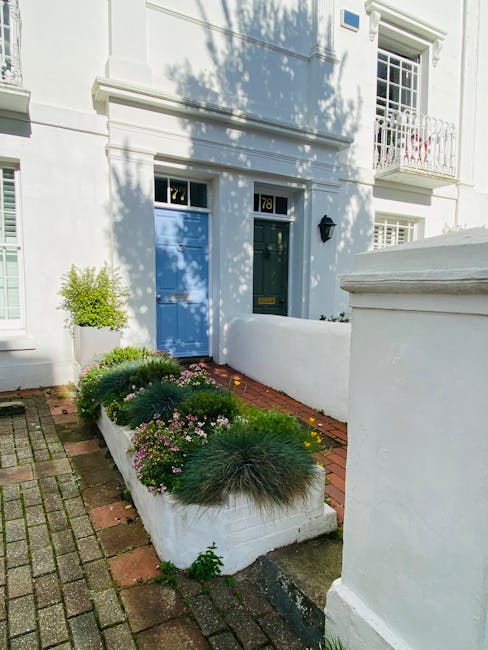
Why Earlsfield gardeners planting for small front gardens matters
A front garden does more than look nice. It sets the tone for the whole property. In places like Earlsfield, where many front spaces are compact, angled, or shared with paths and driveways, planting has to do several jobs at once: soften hard edges, keep access clear, survive local conditions, and still look good after a wet week. That is a tall order for a tiny plot, but it is very achievable.
Small front gardens often fail for one simple reason: people treat them like leftover space. Truth be told, that is usually where the trouble starts. A few random shrubs, a strip of tired lawn, maybe a pot or two that never quite get watered. With a more deliberate planting plan, the same area can feel structured and intentional. You get better curb appeal, yes, but also a calmer daily experience every time you come home and unlock the front door.
There is also a practical side. A well-planted small frontage can help frame the house, hide bins or utilities more neatly, and reduce the sense that the whole entrance is just paving and fences. If you want ideas for making the most of restricted outdoor space, these small garden ideas for limited spaces are a useful companion read.
How Earlsfield gardeners planting for small front gardens works
The process is less about filling every inch and more about choosing a clear structure. In a small front garden, every plant needs a job. One may frame the entrance. Another may soften a boundary. A third may give winter interest. If a plant is only there because it looked attractive at the nursery, that is usually not enough. It needs to earn its place.
Professional gardeners typically start with the shape of the space. They look at the width of the path, where people naturally walk, how much light reaches the front, and whether there are issues like exposed corners, compacted soil, or a slope towards the pavement. In Earlsfield, front gardens can vary a lot from one street to the next, so there is no single formula. A sunny terrace front needs a different planting rhythm from a shaded Victorian frontage with a narrow bay window and brick boundary wall.
The best small-front-garden planting schemes usually combine three layers:
- Structural planting such as a small evergreen shrub, clipped shape, or slender feature plant
- Soft planting such as perennials, grasses, or low mounding plants that bring texture
- Ground coverage to reduce bare soil, limit weeds, and keep the whole thing visually tidy
If you are interested in planting that hugs the ground beautifully, the article on ground covers for UK gardens is very relevant. Likewise, for more layered planting, fast-growing hedge ideas can be useful where privacy or screening matters.
Key benefits and practical advantages
Small front garden planting is not just about decoration. It solves several everyday problems at once, and that is why it is such a worthwhile investment for many homeowners.
- Better first impressions: A thoughtful planting scheme can make a narrow entrance feel cared for, finished, and more inviting.
- More privacy without bulk: Carefully chosen shrubs or clipped evergreens can filter views without making the area feel boxed in.
- Lower maintenance than turf-heavy layouts: In many front gardens, a small planting scheme with mulch or gravel is easier to manage than trying to keep a tiny lawn perfect. If lawn upkeep is part of the issue, see lawn care in Wandsworth for wider maintenance support.
- Seasonal interest: You can design for flowers in spring, texture in summer, structure in winter, and berries or stems in the colder months.
- Better use of awkward corners: That weird triangle beside the path? It can become the best part of the garden with the right planting.
- Improved biodiversity: Even a small front border can support pollinators if the planting is chosen well.
One subtle benefit people forget is psychological. A front garden is the part you see most often, even if you only notice it for three seconds on the way out the door. Those three seconds matter. A tidy, green, human-scale entrance can take the edge off a hectic day. Sounds dramatic, maybe, but it's true.
Who this is for and when it makes sense
This approach suits a wide range of properties, but it is especially useful if you have:
- a narrow front garden with limited planting depth
- a paved or partially paved entrance that feels a bit stark
- an overgrown front space that needs reshaping
- a small plot where privacy matters more than open lawn
- shade from trees, walls, or neighbouring buildings
- a front garden that needs to be low-maintenance because life is busy, and frankly, who has time for a fussy border every weekend?
It also makes sense if you are preparing a home for sale or rent, because curb appeal can influence the way people feel before they even step inside. That does not mean you need to create a show garden. Small and simple often beats elaborate and high-maintenance.
If your front garden is currently neglected, a structured planting plan can be part of a reset. The article on transforming neglect into a blooming garden is a sensible starting point if yours needs a proper fresh start.
Step-by-step guidance
Here is the practical sequence most experienced gardeners would follow. It keeps the project grounded and avoids expensive missteps.
- Measure the space properly. Note the width of the path, the distance to windows, and any spots where rainwater pools or soil stays dry.
- Observe light and shelter. Spend a little time checking where the sun actually falls. Morning shade and afternoon sun can change what thrives.
- Decide the main job of the planting. Is the priority privacy, colour, easy maintenance, or softening hard landscaping?
- Keep a clear route. Front gardens need to work as entrances first. Do not let plants spill where people need to walk.
- Choose a small plant palette. Repeating a few species looks calmer than stuffing in ten different things.
- Prepare the soil. Remove weeds, break up compacted ground, and add compost where needed. The best planting plan can still fail in poor soil.
- Plant in layers. Put taller or structural plants behind, lower plants in front, and ground cover where you want less bare soil.
- Mulch and water properly. Fresh planting dries out fast. Mulch helps hold moisture and suppress weeds.
- Check the result from the street. Step back. What reads well from a distance is often more important than a close-up perfect flower combination.
If you are not sure which approach suits your space, a broader look at why container gardening works so well in small spaces can help you decide whether to use planters alongside borders. In some front gardens, containers are the neatest answer.
Expert tips for better results
A few small decisions can make a surprisingly big difference. These are the ones that tend to separate a pleasant front garden from a genuinely polished one.
1. Use repetition to create calm
In a tiny space, repetition is your friend. Repeating the same grass, evergreen shrub, or low perennial creates rhythm and makes the garden feel larger than it is. Mixed planting can still work, but keep the overall palette controlled.
2. Think in vertical and horizontal lines
If the garden is shallow, add height carefully. A slim climber, a narrow shrub, or a small tree can draw the eye up without swallowing the space. For shaded spots, evergreen climbers for shaded regions are especially useful.
3. Avoid plants that flop onto the path
This sounds obvious, but it is one of the most common mistakes. A plant that looks great in July can become an obstacle by September. Choose varieties that stay reasonably compact or respond well to trimming.
4. Use the right ground layer
In front gardens, bare soil looks unfinished and weeds love it. Ground covers, mulch, gravel, or a low underplanting can help keep everything neat. If you want a deeper look at this approach, the guide to weed management tips offers practical ideas.
5. Plan for winter, not just spring
Many front gardens look lovely for six weeks and then go quiet. Better schemes include evergreens, bark textures, stems, or structured shapes so the garden still holds itself together in January. If you want seasonal protection ideas, see winter plant protection advice.
And yes, a tiny front garden can absolutely carry personality. It does not need to be "busy" to feel alive. In fact, busy is often the wrong move.
Common mistakes to avoid
Small gardens forgive less. You notice every choice. That is useful, but it also means mistakes show up quickly.
- Overplanting: Too many species makes the space look cramped and confusing.
- Ignoring mature size: Plants always grow. Always. The pot-size version at the nursery is not the end of the story.
- Blocking the entrance: A front garden still needs practical access, especially with bins, deliveries, and wet weather.
- Using thirsty plants in a hot, exposed spot: They will struggle and the garden ends up looking tired.
- Choosing only "pretty" plants: Pretty for one month is not enough. A front garden needs structure, resilience, and some year-round presence.
- Skipping maintenance planning: Even low-maintenance planting needs feeding, pruning, and occasional refreshment.
There is a reason experienced gardeners often say to start with the bones of the space. Get the structure right, and the planting becomes much easier. Get the structure wrong, and you spend the rest of the year chasing problems.
Tools, resources and recommendations
You do not need a shed full of specialist gear to improve a small front garden, but a few basics make the job far easier.
- Spade and border fork: For loosening compacted soil and planting properly.
- Hand trowel and secateurs: For planting, cutting back, and tidying details.
- Wheelbarrow or trug: Helpful for moving compost, mulch, or lifted weeds.
- Watering can or hose with gentle attachment: Important for new plants.
- Gloves and kneeler: A small comfort, but your knees will thank you.
- Mulch or decorative aggregate: Useful for finishing the planting scheme and reducing weeds.
If you want a wider sense of practical kit, take a look at this guide to essential gardening tools. For small spaces that need extra structure, vertical gardening ideas can also help you use walls and fences more creatively.
For ongoing upkeep, it can help to think beyond planting day. Front gardens benefit from periodic checks, light pruning, deadheading, and weed control. If the whole garden is part of a larger home improvement plan, you may also find garden maintenance in Wandsworth useful for keeping the space on track across the seasons.
Law, compliance, standards and best practice
Small front garden planting is usually straightforward, but a few practical standards are worth keeping in mind. Nothing dramatic, just common-sense stuff that keeps the garden safe and neighbour-friendly.
- Keep public access clear: If your front garden borders a pavement or shared entrance, make sure planting does not obstruct movement or sightlines.
- Mind property boundaries: Check where fences, walls, and planting beds actually begin and end. A quick measure now avoids awkward chats later.
- Be careful near services: Drain covers, inspection points, and utility access should remain reachable.
- Choose manageable heights near windows and paths: Overgrown shrubs can reduce light, block views, and create a maintenance headache.
- Use safe work practices: Gloves, sensible lifting, and appropriate tools matter more than people think, especially in tight spaces.
If the work involves larger structural changes, fencing, or trees, you may need a more careful plan. In that case, specialist support can be sensible, particularly where root systems, overhead growth, or boundary materials are involved. For broader landscape changes, landscaping services in Wandsworth may be a useful route to explore. If trees are involved, tree surgery in Wandsworth is the safer category to consider rather than just trimming at random.
Options, methods, or comparison table
There is more than one good way to plant a small front garden. The right method depends on how much upkeep you want, what kind of light you have, and whether you prefer a soft natural look or something more defined. Here is a simple comparison.
| Approach | Best for | Advantages | Trade-offs |
|---|---|---|---|
| Low border planting | Small, open front gardens | Softens the frontage, easy to read from the street, works well with path edges | Needs regular edging and weed control |
| Container-based planting | Very limited soil space or paved frontages | Flexible, easy to rearrange, good for renters or quick updates | Needs watering more often and can look cluttered if overdone |
| Evergreen structural planting | Homes needing year-round shape and privacy | Strong winter presence, tidy appearance, reliable backdrop | Requires careful pruning to avoid crowding |
| Mixed soft planting with ground cover | Gardeners wanting texture and lower maintenance | Good weed suppression, natural look, seasonal interest | Can take time to establish fully |
A lot of Earlsfield front gardens end up being a blend of these methods, which is often the smartest choice. A couple of containers near the door, a planted strip along the boundary, maybe one clipped evergreen to hold the shape. Simple, but not dull.
Case study or real-world example
Here is a realistic example based on the kind of front garden many local homeowners face. A homeowner had a narrow terraced frontage with patchy soil, one tired shrub, and a bit of cracked paving. It looked forgettable. Not disastrous, just a bit neglected and a bit sad on a grey morning.
The redesign kept the central path clear and used a narrow planted bed on one side. A compact evergreen formed the main vertical element, with a low drift of softer planting around it. Ground cover was added at the front to reduce bare soil and cut down weeding. Two matching containers near the door provided seasonal colour without crowding the entrance.
The result was not a dramatic "before and after" in the glossy-magazine sense. It was better than that. It looked believable, calm, and easy to maintain. The house felt more looked after. The owners no longer felt they had to apologise for the front garden every time someone visited. Small win, but a real one.
If that kind of transformation sounds familiar, the article on starting anew with a blooming garden may give you a few extra ideas for a reset. And if you want a more intimate feel for the space, well-designed seating for intimate garden spaces can help, provided there is enough room.
Practical checklist
Use this before you start planting. It keeps the project sensible and saves a lot of rework later.
- Measure the garden and path widths
- Check light, shade, and exposure to wind
- Decide the main goal: privacy, colour, structure, or low maintenance
- Choose a small number of repeating plant varieties
- Make sure mature plant size will still fit the space
- Prepare and improve the soil before planting
- Keep entrances and sightlines clear
- Add mulch or another weed-suppressing top layer
- Plan watering for the first few weeks after planting
- Schedule light maintenance through the year
If you have pets or children using the front area regularly, think one step ahead about plant safety and access. For ideas on family-friendly design, gardens that inspire children is worth a look, and for dog owners there is also dog-friendly planting guidance.
Conclusion
Earlsfield gardeners planting for small front gardens is really about making limited space feel intentional, welcoming, and easy to live with. The best schemes are usually not the busiest ones. They are the ones that respect the shape of the frontage, suit the light and soil, and keep everyday access simple. Get those basics right and the rest starts to fall into place.
There is no need to force a big-garden look into a small front plot. That tends to backfire anyway. A compact, well-chosen planting plan can do more for your home's character than a cluttered one ever will. Start with structure, add texture, and let the space breathe a bit.
Get a free quote today and see how much you can save.
A small front garden can still make a lovely first impression. Sometimes the most modest spaces end up feeling the most cared for, and that is not a bad thing at all.

Possessing expertise as a skilled gardener, Noah has assisted thousands of customers in fulfilling their gardening needs. His proficiency extends to writing, where he focuses on diverse topics related to gardening and landscaping.