Gardeners Wandsworth Wandsworth Common garden guide
Posted on 10/10/2026
Gardeners Wandsworth Wandsworth Common Garden Guide
If you are trying to make sense of a garden in Wandsworth Common, you are probably juggling a few things at once: shade from mature trees, narrow access, busy schedules, wind, patchy soil, and the simple wish for an outdoor space that actually feels good to use. This Gardeners Wandsworth Wandsworth Common garden guide pulls those moving parts together in one place. It is written for real gardens, not idealised ones. The sort of garden where one corner bakes in afternoon sun, another stays damp after rain, and the lawn seems determined to look tired by Thursday.
In this guide, you will find practical ways to assess your space, choose plants that behave well in local conditions, improve structure, reduce maintenance, and know when a professional touch makes sense. If you are starting from scratch, working around a small plot, or trying to rescue a garden that has quietly gone downhill, you will find a sensible path forward here. No fluff. Just useful steps, a few honest warnings, and ideas that can actually be carried out.
For related advice on smaller plots, you may also find small garden ideas for limited spaces useful, especially if your outdoor area is more courtyard than country garden.
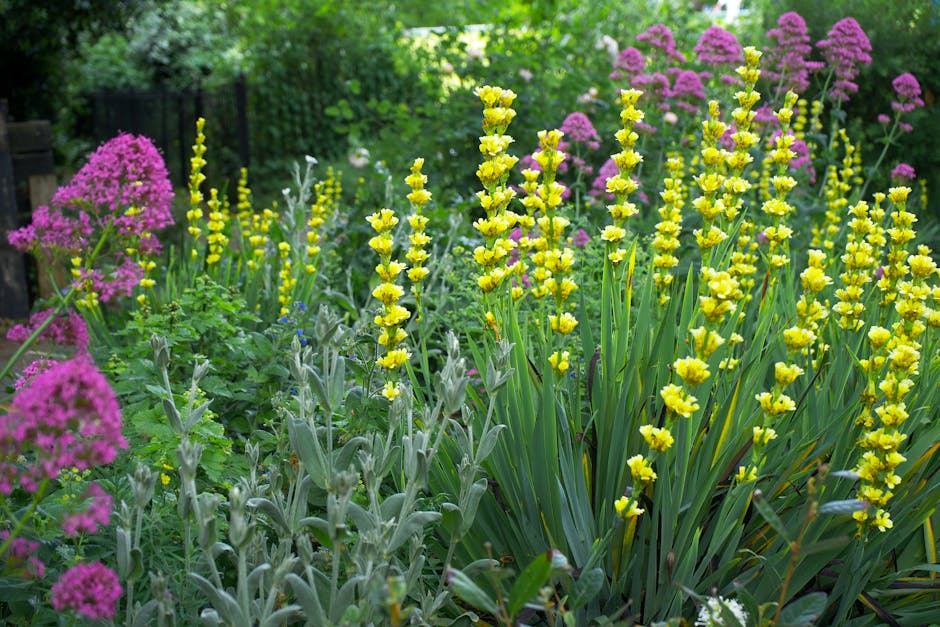
Why Gardeners Wandsworth Wandsworth Common garden guide Matters
Wandsworth Common gardens tend to live in the real world rather than in a magazine spread. That means a garden may face shade from boundary trees, compacted soil from years of use, awkward access, pets, children, and the usual London mix of weather swings. A good garden guide matters because these conditions change what will thrive, what will struggle, and what will simply become expensive to maintain.
There is also the local lifestyle angle. Many homeowners want a garden that does more than look tidy. They want somewhere to sit with a coffee, entertain, grow herbs, let children run about safely, or keep the place respectable without spending every weekend wrestling with weeds. The best garden plans balance beauty with upkeep. That is where a structured approach pays off.
It is easy to underestimate how much a garden changes once the basics are sorted. Improve drainage, reset the borders, choose the right plants, and suddenly the whole place feels calmer. You notice the difference on a wet morning, or when the first warm evening arrives and you can actually use the space. Quite a shift, really.
If your garden needs a broader reset, the article on transforming a neglected garden into a blooming space is a good companion read.
How Gardeners Wandsworth Wandsworth Common garden guide Works
The simplest way to think about this guide is as a framework for making sensible decisions. Rather than starting with plant shopping, start with observation. What gets sun? Where does water gather? Which areas are windy, shaded, or overlooked? What do you want the garden to do for you?
Once those questions are answered, the rest becomes easier. Good gardening in Wandsworth Common often follows a sequence:
- Assess the space - measure, photograph, and note conditions at different times of day.
- Define the purpose - entertaining, relaxation, planting, family use, pets, or a mix.
- Improve the structure - soil health, edging, paths, seating, screening, and drainage.
- Choose plants for the site - not just for looks, but for light, wind, and maintenance level.
- Set a maintenance rhythm - mowing, pruning, feeding, watering, weed control, and seasonal checks.
That rhythm matters. A garden that is touched lightly but regularly usually stays healthier than one that gets a dramatic makeover and then is ignored for three months. Truth be told, most gardens do best with consistency rather than heroics.
For practical help with planting choices and structure in compact areas, why container gardening is perfect for small spaces explains how to use pots and planters without making the garden feel cluttered.
Key Benefits and Practical Advantages
A well-planned Wandsworth Common garden can deliver more than visual appeal. The benefits usually show up in daily life, which is why they matter so much.
- Lower maintenance - the right plants and layout reduce constant firefighting.
- Better year-round use - seating, screening, and weather-aware planting make the space usable for longer.
- Improved privacy - hedges, climbers, and layered borders can soften overlooking windows.
- Healthier planting - suitable soil, drainage, and placement mean fewer losses.
- Stronger kerb appeal - tidy lawns, crisp edges, and balanced borders make a garden feel looked after.
- More enjoyment - perhaps the most overlooked one. You use a garden more when it feels easy to step into.
A practical advantage often missed: good design reduces indecision. When the structure is clear, you stop wondering where the next plant should go, or whether that empty patch should be a bed, a path, or a place for a bench. The garden starts making decisions with you, not against you. That sounds odd, but gardeners will know what I mean.
For additional inspiration on shaping the garden experience, see creating intimate garden spaces with well-designed seating, which is especially helpful if you want the garden to feel like an outdoor room.
Who This Is For and When It Makes Sense
This guide is for anyone in or around Wandsworth Common who wants a more workable, attractive garden without wasting money on the wrong fixes. It is especially useful if you are:
- a homeowner trying to improve a tired front or back garden
- renting or managing a property that needs presentable outdoor upkeep
- working with a small or awkward layout
- dealing with heavy shade or wind exposure
- trying to make a family garden safer and easier to manage
- looking for a more polished finish before selling or letting a property
- simply fed up with a lawn, hedge, or border that has become a weekly chore
It also makes sense if you have a clear goal but limited time. Not every garden needs a major redesign. Sometimes the best move is to sort the fundamentals: prune properly, restore the lawn, improve the border structure, and choose a handful of dependable plants. Small changes, done well, often have the biggest payoff.
If your main issue is outdoor maintenance rather than a full redesign, a regular plan such as garden maintenance in Wandsworth can be the sensible next step.
Step-by-Step Guidance
Here is a straightforward process you can follow whether you are planning a refresh or starting from scratch.
1. Walk the garden at different times of day
Look at light, shade, wind, damp spots, and sightlines. Morning sun and late-afternoon sun can create very different growing conditions. A corner that looks ideal at 10am may be almost useless by 4pm.
2. Decide what the space must do
Every garden needs a job description. Do you want seating? A lawn for children? A pet-friendly surface? More privacy? Herbs near the kitchen? Maybe all of these, but not all in equal measure. Be honest about what matters most.
3. Deal with the bones first
Before you think about colour, sort the structure: edging, paths, fencing, access, drainage, and any obvious dead material. If the skeleton is wrong, the planting will never quite save it.
4. Improve soil and surface conditions
In many London gardens, the soil is tired, compacted, or inconsistent. Add organic matter where beds need it, break up compacted areas carefully, and avoid planting into poor ground without checking what is actually there. For composting ideas, waste transformed from compost heap to fertile fields is a useful read.
5. Choose plants that fit the site
Match plants to the amount of sun, shade, wind, and moisture. A plant that looks gorgeous in a sunny nursery bench can fail quietly in a breezy, shaded Wandsworth border. Happens all the time.
6. Build in maintenance from day one
Decide how the garden will be watered, weeded, pruned, and mown. It is much easier to plan maintenance than to negotiate with overgrown beds later.
7. Review after the first season
Most gardens teach you something once they have lived through spring, summer, and a wet autumn. Note what thrived, what sulked, and where you need to tweak the design. Gardening is rarely a one-and-done affair.
Expert Tips for Better Results
A few practical habits make a big difference in Wandsworth Common gardens.
- Use layers - mix ground cover, mid-height planting, and vertical structure to avoid a flat look.
- Repeat plants for calm - too many different species can make a small garden feel chaotic.
- Choose evergreen structure - especially if winter views matter.
- Keep edges crisp - neat borders and sharp lawn lines instantly improve the whole space.
- Plan for wind - exposed gardens benefit from shelter, flexible planting, and sturdy supports.
- Think about sightlines - a focal point, bench, or small tree can make a garden feel intentional.
One overlooked tip: do not try to make every part of the garden equally interesting. Let some areas support the show rather than compete with it. That keeps the design restful. And yes, restful gardens are usually the ones people use more.
If shade is a recurring issue, evergreen climbers for shaded regions offers helpful planting direction for walls, fences, and awkward corners.
For those looking to add structure without heavy construction, take a look at hedge shapes for modern landscapes and ideas for accelerated growth hedges. Both can help if you need privacy quickly or want to frame the garden more clearly.

Common Mistakes to Avoid
Even experienced gardeners fall into the same traps. The good news is that most are avoidable once you know what to look for.
- Choosing plants for looks alone - always check the site conditions first.
- Overcrowding - little plants can become a tangle very quickly.
- Ignoring drainage - soggy roots are a fast route to disappointment.
- Using too many materials - too many paving types, pot styles, or border finishes can make the garden feel restless.
- Skipping seasonal maintenance - a missed prune or mow becomes a bigger task later.
- Planting without a plan for maturity - that small shrub may not stay small for long.
There is also the classic mistake of trying to fix everything at once. That usually leads to tired decisions and wasted money. Better to do the main structural jobs properly, then phase the rest. Slow progress is still progress, after all.
If weeds are taking over, the guide on weed management can help you stay ahead without resorting to endless backbreaking hand-pulling.
Tools, Resources and Recommendations
You do not need a shed full of equipment to maintain a strong garden, but a few reliable tools are worth having. Good tools save time, and in gardening, time often means better results because jobs get done when they should.
Essential tools
- secateurs for pruning and deadheading
- hedge shears or a hedge trimmer for shaped growth
- a sturdy spade and border fork
- a lawn mower suited to the size of the lawn
- watering can or hose setup for dry spells
- gloves, rake, and a sharp hand trowel
Helpful service areas to consider
Depending on the condition of your outdoor space, you may also benefit from linked services such as lawn care in Wandsworth, lawn mowing in Wandsworth, or hedge trimming in Wandsworth. These are particularly useful when the garden is healthy but simply needs consistent upkeep.
If the garden also has hard landscaping that needs attention, patio cleaning in Wandsworth and decking services in Wandsworth can help restore the finish around the planting.
Good planning resources within the site
For a broader service overview, the page on gardening services in Wandsworth is useful if you are comparing support for more than one area of the garden. If your project has grown beyond maintenance, landscaping in Wandsworth may be the right route. For boundaries, fencing in Wandsworth can be part of the solution too.
Law, Compliance, Standards, or Best Practice
For most domestic gardens, there is no complicated compliance maze, but there are still sensible standards to follow. Safe tool use, responsible waste handling, and respect for neighbouring properties all matter. If work involves trees, fences, or boundary changes, it is wise to check ownership and avoid assumptions. That simple point saves awkward conversations later.
Professional gardeners also work best when they follow clear safety and service practices. If you are hiring help, look for straightforward communication about insurance, working methods, and what is included. A trustworthy provider should be able to explain their approach without sounding vague. If they cannot, that is a small warning sign right there.
For peace of mind, you may want to review the site's insurance and safety information, along with the health and safety policy. If you are comparing providers or service terms, the pages on terms and conditions and privacy policy can help you understand how the service is structured.
It is also sensible to understand pricing clearly before work starts. The pricing and quotes page is helpful if you want to know how estimates are presented. And if you are checking the company background, about us adds another layer of reassurance.
Options, Methods, or Comparison Table
Different gardens need different methods. Here is a simple comparison to help you choose the right direction.
| Approach | Best for | Strengths | Trade-offs |
|---|---|---|---|
| Light-touch maintenance | Healthy gardens needing routine care | Low disruption, manageable cost, easy to keep tidy | Won't solve deeper layout or soil problems |
| Targeted improvements | Gardens with a few obvious issues | Good value, focused fixes, noticeable results | Requires clear priorities and a bit of planning |
| Full redesign | Neglected or badly arranged spaces | Maximum transformation, stronger long-term structure | More time, more decisions, usually higher cost |
| Seasonal refresh | Gardens that look tired but are basically sound | Quick visual lift, less upheaval | Does not always address root causes |
The best choice depends on how much change you need, how often you want to maintain it, and how quickly you want to see results. A lot of people assume "more work" automatically means "better garden". Not always. Sometimes the smartest option is the simplest one done properly.
Case Study or Real-World Example
Imagine a modest Wandsworth Common back garden with a narrow lawn, a shaded rear corner, a tired fence line, and a patio that has gone green with algae. It is not a disaster. Just neglected enough to feel frustrating every time the back door opens.
The practical fix is rarely dramatic. First, clear the clutter and assess the structure. Then clean the patio, trim back the overgrowth, and improve the lawn if it is worth saving. If the rear corner never gets enough light, do not keep forcing sun-loving plants there; use shade-tolerant planting or a structural feature instead. That same corner might benefit from an evergreen climber or a simple seat with a pot grouping around it.
Once the garden has a clean line, the whole thing feels more generous. The space might not be larger, but it behaves better. That is the real win. In the evening, when the light softens and the patio stops looking slippery and dull, the garden starts earning its place again.
For a more detailed rescue mindset, the article on starting anew and transforming neglect into a blooming garden is a strong match for this kind of project.
Practical Checklist
Use this checklist before, during, or after a garden refresh.
- Have I assessed light, shade, wind, and drainage?
- Do I know the garden's main job: relaxing, entertaining, planting, family use, or all of the above?
- Have I cleared or pruned anything dead, damaged, or overgrown?
- Is the lawn in a condition worth keeping, or should it be reduced, restored, or replaced?
- Have I chosen plants that suit the actual site?
- Have I allowed for maintenance time every month or season?
- Do I have enough privacy and screening where needed?
- Are paths, patios, and borders safe and easy to use?
- Have I planned where tools, pots, and waste will go during work?
- Do I need professional help for trees, hedges, landscaping, or ongoing care?
And one small but important thing: take a few before photos. They help you see progress properly. You forget the mess quicker than you think.
Conclusion
A strong garden in Wandsworth Common is not about perfection. It is about fit. Fit for the site, fit for your routine, fit for the way you want to live. Once those things line up, the garden becomes easier to enjoy and much easier to maintain. That is the sweet spot.
If you remember nothing else from this guide, remember this: start with the structure, choose plants for the conditions, and keep the maintenance realistic. Do that, and even a tricky garden can become one of the best parts of the home. A little rhythm goes a long way.
Get a free quote today and see how much you can save.
For a friendly next step, explore the wider garden maintenance in Wandsworth support available and shape the garden into something you genuinely look forward to seeing each day.

Possessing expertise as a skilled gardener, Noah has assisted thousands of customers in fulfilling their gardening needs. His proficiency extends to writing, where he focuses on diverse topics related to gardening and landscaping.