SW18 gardeners real cost and maintenance guide
Posted on 26/10/2026
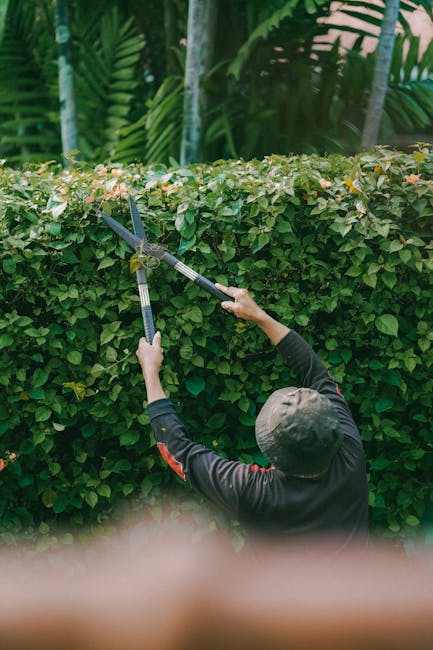
If you live in SW18 and your garden has started to feel like a second job, you are not alone. Costs creep up. Maintenance gets delayed. A hedge grows a bit too bold. A patio starts looking tired. And suddenly you are trying to work out what a gardener in SW18 really costs, what ongoing care should include, and where the money actually goes. This guide breaks it down clearly, so you can budget well, avoid nasty surprises, and choose the right level of support for your outdoor space.
Whether you need a one-off tidy-up, regular maintenance, or a fuller garden refresh, the real answer is rarely just "how much per hour?". The price depends on access, garden size, the work involved, and how often you need help. That sounds obvious, but it is where many homeowners get caught out. Let's make it practical.
Why SW18 gardeners real cost and maintenance guide Matters
Garden care in SW18 is not just about keeping things pretty. It is about protecting the space you already own and making sure the work you pay for is actually the work you need. A neat garden can improve how a home feels day to day, but it also reduces the slow build-up of problems that become expensive later: hedge overgrowth, compacted borders, patchy lawns, blocked drainage around patios, and fencing that quietly deteriorates.
In our experience, people usually call a gardener for one of two reasons. Either they are overwhelmed and need a reset, or they want routine support before the garden gets away from them. Both are valid. Both save stress. The cost guide matters because the cheapest quote is not always the best value, and the most expensive quote is not always doing more. What you need is clarity.
There is also a very local reality to consider. South-west London gardens often have tighter access, shared side passages, limited storage, and mixed hard and soft landscaping. That can affect labour time and waste removal. If you have ever watched two wheelbarrows turn into six because the access was awkward, you will know exactly what that means.
For anyone weighing up whether to book a one-off visit or commit to ongoing maintenance, understanding cost drivers makes the decision much easier. It also helps you compare gardening services in Wandsworth on a like-for-like basis rather than guessing from a headline price.
How SW18 gardeners real cost and maintenance guide Works
At a basic level, gardening costs tend to be built from labour, materials, access, disposal, and the level of skill required. Maintenance is the repeated part of the equation: mowing, edging, weeding, pruning, feeding, cleaning, checking for damage, and keeping seasonal jobs on schedule. The more complex the garden, the more time the work takes, and time is usually the biggest cost driver.
A typical maintenance arrangement might include some combination of:
- grass cutting and lawn edges
- hedge trimming and shaping
- border weeding and mulching
- leaf clearance and green waste removal
- patio sweeping or light cleaning
- seasonal planting and deadheading
- basic plant health checks
Some jobs are straightforward, such as a tidy mow or a quick weed pull. Others need more care. Tall hedges, overgrown beds, or a neglected garden often need a first visit that takes much longer than the follow-up visits. That is normal. A good first visit is often about getting the garden back to a manageable state, then building a maintenance rhythm from there.
If you are starting from a neglected space, it may help to read this guide to transforming a neglected garden alongside your cost planning. It explains why the first clean-up is usually the most intensive part.
Maintenance also changes with the garden's design. A minimalist courtyard with a few containers will cost less to maintain than a mature plot with layered planting, a lawn, hedges, and a deck that needs regular attention. If you are still deciding what kind of garden suits your time and budget, container gardening for small spaces is a useful place to start.
Key Benefits and Practical Advantages
Getting a realistic view of gardener costs is not just about spending less. It is about spending better. That distinction matters. A modest, well-planned maintenance budget often delivers more value than sporadic rescue jobs that let small issues pile up.
The main practical benefits are:
- Better budgeting: you can plan monthly or seasonal spend instead of reacting to emergencies.
- Healthier plants: regular care keeps borders, lawns, and shrubs in better condition.
- Less wasted effort: routine maintenance usually takes less time than fixing overgrowth.
- Improved appearance: even a small SW18 garden can look polished with consistent care.
- Lower long-term repair costs: hedge mismanagement, lawn decline, and weed infestation are cheaper to prevent than to reverse.
There is a subtler benefit too: maintenance creates momentum. Once a garden is back under control, it becomes easier to enjoy. You notice the scent after rain, the neat lines after edging, the way light falls across a clean patio. It sounds a bit poetic, maybe, but that is often what people actually want: a space they can use without mentally adding it to the weekend to-do list.
For smaller plots, the right plan can make a big difference. If your space feels tight, small garden ideas for limited spaces can help you see where low-maintenance design choices reduce future upkeep.
Who This Is For and When It Makes Sense
This kind of cost-and-maintenance planning suits a lot of different households, and not just people with large gardens. In fact, small gardens often benefit the most because every square metre counts and every maintenance shortcut shows.
You will probably find this useful if you are:
- a homeowner trying to compare gardener quotes properly
- a landlord needing the exterior kept presentable between tenancies
- a busy family who wants the garden safe and usable
- an older homeowner who would rather outsource the heavy lifting
- someone with an overgrown garden needing a one-off recovery visit
- a design-conscious homeowner building a tidy, low-maintenance space
It also makes sense if you have just changed how you use the garden. For example, maybe the lawn is no longer the main feature and you want more seating, planting, or paved space instead. At that point, regular mowing may no longer be your biggest cost; patio care or planting may become more important. If that sounds familiar, the article on well-designed garden seating may help you think about how maintenance and layout should work together.
Truth be told, many people book gardening help only after they have spent three weekends trying to catch up themselves. That is usually the moment they realise the garden needs a plan, not just a burst of effort.
Step-by-Step Guidance
Here is a sensible way to work out what you need and what you should expect to pay.
- Assess the garden honestly. Walk around and list the jobs that are actually needed. Separate "urgent" from "nice to have".
- Measure the practical difficulty. Note narrow side access, steep slopes, dense hedging, or difficult waste removal. These details matter more than people think.
- Decide on the service type. Do you need a one-off tidy, seasonal overhaul, or ongoing maintenance?
- Prioritise the biggest cost drivers. Lawn size, hedge height, weeding volume, and hard surface cleaning can all change the time required.
- Ask what is included. Labour only? Waste removal? Materials? Plant feed? Edge trimming? The quote should say.
- Plan the frequency. Monthly, fortnightly, or seasonal visits can make a huge difference to total annual spend.
- Review after the first visit. Once the garden is under control, maintenance should usually become simpler and more predictable.
A realistic example: a small front garden may need a one-off weed, trim, and tidy in spring, then just light seasonal visits after that. A back garden with a lawn, hedge, and borders may need a more structured calendar. Same postcode, very different workload. That is the bit people often miss.
If hedges are part of your garden, keeping them in shape is often a recurring cost rather than an occasional one. You can learn more through hedge trimming in Wandsworth, especially if your boundary planting has started to run ahead of you.
Expert Tips for Better Results
Good maintenance is rarely about doing more. It is about doing the right jobs at the right time. That sounds simple, but it saves money and avoids a lot of faff.
- Group tasks by season. Hedge work, mulching, planting, and pruning are easier to schedule when the garden is already in that phase.
- Keep access clear. A tidy route to the back garden can shave time off a visit. It really can.
- Use consistent materials. If you repeatedly need new compost, bark, or feed, ask for a maintenance plan that includes the most predictable supplies.
- Don't wait for overgrowth. Letting a hedge grow unchecked usually makes the next cut slower and more expensive.
- Choose low-maintenance planting where possible. Ground covers, shrubs, and containers can reduce long-term labour.
- Pair maintenance with design. A smarter layout can cut upkeep for years.
For example, if your borders are hard to keep weed-free, a ground-cover approach can reduce exposed soil and make the garden easier to manage. These ground cover ideas are worth a look if you want a garden that works harder and asks less of you.
And if you are trying to simplify daily care, there is a lot to be said for a lighter routine. The article on thrifty garden routine ideas is a good reminder that maintenance does not need to be complicated to be effective.
Common Mistakes to Avoid
There are a few repeat offenders when it comes to garden maintenance budgets. Most are easy to avoid once you know what to look for.
- Comparing quotes without checking scope. A lower price can mean fewer tasks included.
- Ignoring access and waste. These are often where extra time gets added.
- Leaving lawns until they are damaged. Recovery care is more expensive than routine lawn care.
- Assuming all hedges are equal. Tall, dense, or awkwardly placed hedges need more labour.
- Skipping seasonal care. Winter prep and spring recovery can prevent costlier problems later.
- Buying tools before you need them. Sometimes it is more cost-effective to use a professional's equipment than to build your own kit from scratch.
We have all done it: convince ourselves that one free Saturday will sort everything out, then discover the garden had other plans. A garden that has been neglected for a while does not usually respond to a half-hour tidy and good intentions. It needs a proper reset, then maintenance that sticks.
If weeds are becoming the thing that keeps coming back, use this as a reference point: innovative weed management tips can help you reduce repeat work and keep future visits more efficient.
Tools, Resources and Recommendations
Even if you plan to hire a gardener, it helps to understand the basic tools involved. That way you can judge whether a quote is realistic and whether the work is likely to be quick, routine, or more involved.
Common tools and equipment include:
- lawn mowers and edging tools
- hedge trimmers and secateurs
- rakes, forks, and spades
- pressure washing or patio cleaning equipment
- wheelbarrows and waste bags
- gloves, pruning saws, and litter pickers
If you are building your own understanding of what a gardener actually needs on site, this overview of essential gardening tools is a helpful companion piece.
For certain gardens, the recommendation is not "more tools" but "better structure". Vertical planting, for instance, can be a smart way to maximise space and reduce ground-level clutter. That is especially relevant in compact SW18 gardens where access and storage are limited. You can explore this further in vertical gardening ideas.
And if your outdoor area needs more than maintenance, it may be worth looking beyond routine care. Some gardens need layout improvements, better drainage, or a clearer boundary. In that case, broader support such as landscaping services or decking services may be more relevant than another simple tidy-up.
Law, Compliance, Standards, and Best Practice
For most domestic garden maintenance, the practical focus is on safety, proper disposal, and respect for neighbouring properties. You do not need to become a legal expert, but you do need to know the basics.
Good practice usually means:
- keeping pathways and work areas reasonably safe and clear
- using equipment correctly and maintaining it well
- handling waste responsibly and separating green waste where appropriate
- being careful with ladders, power tools, and hedge cutting near boundaries
- checking for hidden hazards before cutting back overgrown areas
Professional gardeners should also work with sensible insurance and safety standards. That matters if a job involves tools, height, waste removal, or work close to fences, sheds, glass, or shared boundaries. If you are comparing providers, it is reasonable to ask about insurance and safety and how they manage risk on site.
There are also broader policy pages that show how a business handles customer information, payments, and complaints. Those are useful trust signals when you are choosing who to work with, especially if you want a clear paper trail. You can review payment and security, privacy policy, and complaints procedure before making a decision. Bit boring, yes. Still worth it.
Options, Methods, and Comparison Table
Different gardens call for different maintenance styles. The best choice usually depends on size, pace of growth, and how much control you want over the look of the space.
| Option | Best for | Typical advantage | Main trade-off |
|---|---|---|---|
| One-off tidy-up | Overgrown or neglected gardens | Fast reset and visible improvement | Less predictable long-term cost |
| Seasonal maintenance | Gardens that change with the year | Good balance of cost and care | May still need small interim jobs |
| Regular visits | Busy homes and high-use gardens | Most predictable upkeep and appearance | Higher ongoing commitment |
| Design-led low-maintenance setup | Small or time-poor households | Lower effort over time | Upfront redesign or planting work may be needed |
There is no single winner here. A family garden with children may need regular safety-focused attention, while a quiet courtyard might be better served by occasional tidy-ups and a smarter planting scheme. If you are exploring family-friendly layout ideas, child-friendly outdoor space ideas can help you think beyond simple maintenance.
If your boundary is part of the issue, hedges may need more structured care than you first expect. For faster-growing screens, it can be useful to read about accelerated growth hedges before planning recurring work.
Case Study or Real-World Example
Here is a realistic example, drawn from the sort of job that comes up often in SW18.
A homeowner has a modest back garden with a lawn, a hedge boundary, three borders, and a paved sitting area. At first glance it seems simple enough. But after a few months of missed upkeep, the lawn becomes uneven, weeds spread into the borders, the hedge starts to hang into the path, and the patio collects a layer of dirt that makes the whole space look tired. Nothing dramatic. Just enough to become annoying.
The first visit usually focuses on getting the whole space back under control: mowing, edging, hedge reduction, weed removal, border tidy-up, and a clean of the paved area. The next visit is shorter because the base level of maintenance is already in place. That is where the real saving happens. You pay more once, then less to keep it that way.
Another common pattern is the small front garden that keeps getting ignored because it seems too minor to bother with. Then it becomes the bit every visitor sees first. A half-hour tidy every few weeks can often make a bigger visual difference than people expect. In the early evening, with the light low and the paving swept clean, it is suddenly a proper entrance again. Small thing. Big impact.
If the neglected area includes leaf build-up, compostable waste, or a messy clear-out, a maintenance plan that includes disposal can be much easier than trying to manage it yourself. The article on turning garden waste into something useful gives a good sense of how waste can be handled more thoughtfully.
Practical Checklist
Use this before requesting a quote or booking maintenance.
- List every job you want done, not just the obvious ones.
- Note whether the garden is easy or awkward to access.
- Measure the lawn area if you have one.
- Check hedge height and whether cutting is simple or ladder work.
- Flag any patio, decking, or fencing issues.
- Decide whether you need waste removal included.
- Choose between one-off, seasonal, or regular maintenance.
- Ask what tools and materials are included in the price.
- Confirm how often the garden should be maintained after the first visit.
- Keep a short note of the results after each visit so you can compare value over time.
Quick expert summary: if the garden is simple, well-kept, and easy to access, costs should stay relatively controlled. If it is overgrown, awkward, or full of mixed tasks, expect the first visit to be the heavy one. After that, smart maintenance should feel lighter, cleaner, and far more predictable.
Conclusion
The real cost of SW18 garden care is not just the price on a quote. It is the mix of labour, access, frequency, and the condition of the garden itself. Once you understand those pieces, it becomes much easier to choose the right level of service and avoid paying extra for avoidable problems. More importantly, you can build a maintenance routine that actually suits your life, not just your lawn.
A good garden does not have to be high maintenance. It just needs to be well maintained. That is a small difference, but it changes everything. Whether your space is a compact terrace garden, a family back garden, or a patch that has got a bit out of hand, the smartest move is usually the same: get the basics under control, then keep them that way.
If you are comparing options, planning a first tidy-up, or simply trying to understand what a realistic budget looks like, the next step is straightforward. Review the scope, ask clear questions, and choose the maintenance plan that gives you lasting value rather than a quick fix.
Get a free quote today and see how much you can save.
A well-kept garden has a quiet way of making home feel easier. And honestly, that is worth a lot.


Possessing expertise as a skilled gardener, Noah has assisted thousands of customers in fulfilling their gardening needs. His proficiency extends to writing, where he focuses on diverse topics related to gardening and landscaping.