What to know about access issues for Wandsworth gardeners
Posted on 27/11/2026
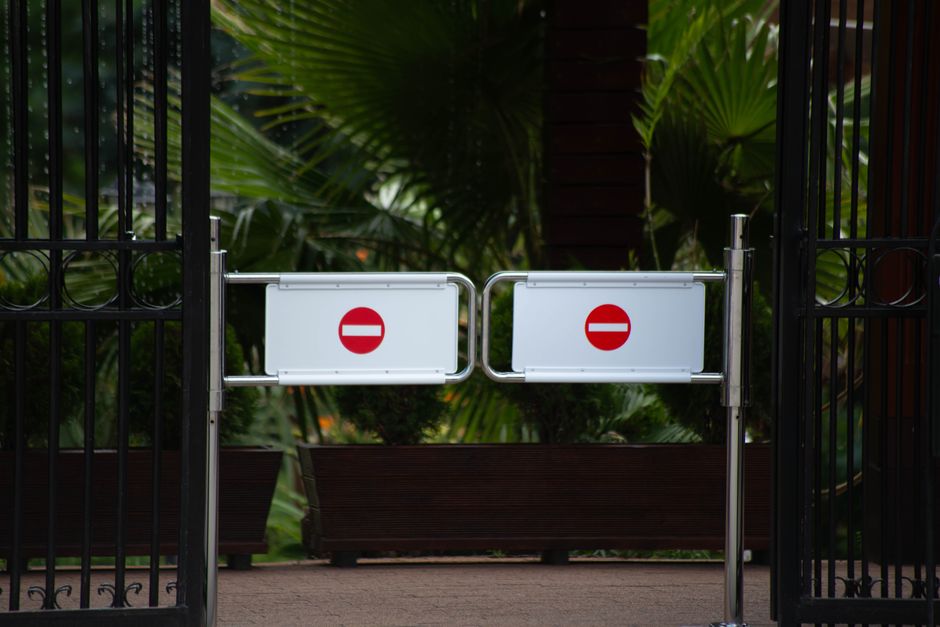
Access is one of those garden details people often only notice when it becomes a problem. A side gate that is too narrow, a basement path with awkward steps, a shared alley that nobody wants to block for long - suddenly a simple bit of maintenance turns into a small logistics exercise. If you are trying to understand what to know about access issues for Wandsworth gardeners, the short version is this: the easier the route in and out, the faster, safer, and tidier the work tends to be. The longer version matters even more, because access affects timing, equipment choice, waste removal, plant protection, neighbour relations, and cost.
Wandsworth homes are a mix of period terraces, compact courtyards, flats with balconies, and larger family gardens tucked behind tight passageways. That mix creates real-world access challenges. In this guide, we will walk through the practical stuff - the kind of detail a homeowner, landlord, or property manager actually needs before booking work. And yes, a few of the issues sound dull until they are the difference between a smooth visit and a frustrating one.
Why access matters in Wandsworth gardens
Garden access sounds like a small detail, but in practice it shapes almost everything that happens on the day. A gardener may need to bring in mowers, hedge cutters, compost, fuel, trays, ladders, or bags for green waste. If those items have to pass through a narrow hallway, a shared entrance, or a delicate interior route, the whole job changes.
In Wandsworth, that matters for a few reasons. First, many properties have limited side access or no rear vehicle access at all. Second, some gardens sit behind flats or through communal areas where neighbours also need to move freely. Third, the local housing mix means access can vary wildly from one street to the next. A job that looks simple from the front gate can involve three flights of stairs, a coded door, and a locked courtyard before a spade even hits the soil. Classic London, really.
Good access planning helps avoid delays, reduce the chance of damage, and keep work more predictable. It also protects the garden itself. Tight entrances can mean more foot traffic across beds, repeated turning with wheelbarrows, or awkward lifting of heavy materials. If you are booking a full range of gardening services in Wandsworth, this is exactly the kind of thing worth discussing before the team arrives.
There is also a neighbour angle. Noise, shared pathways, and temporary obstruction all become easier to manage when everyone knows the plan. Nobody wants to drag a hedge trimmer through a communal hallway while someone else is trying to get a buggy out. Let's face it, smooth access is partly about courtesy, not just convenience.
How access planning works on site
Access planning usually starts before the visit, not during it. A good gardener will ask how to reach the back garden, where tools can be unloaded, whether parking is available nearby, and whether waste needs to be carried through the house or out via another route. From there, the visit is planned around the least disruptive route.
The process is usually straightforward:
- Initial assessment: The customer describes the layout, gates, steps, shared entrances, parking, and any limits on delivery times or noise.
- Equipment selection: The team chooses tools that suit the access route. For example, compact kit for narrow passages or lighter hand tools where power equipment would be awkward.
- Waste handling plan: The gardener decides whether waste can be removed in bags, wheeled out in stages, or collected after the work is done.
- Protection measures: Where needed, floors, edges, walls, and doors are protected to reduce scuffs and knocks.
- On-site adjustment: If something is tighter than expected, the approach changes. Good teams adapt rather than forcing the job through.
That flexibility matters. A narrow terrace garden may be best served by hand tools and smaller waste loads, while a larger plot with awkward access may need a staged approach. In some cases, it is more efficient to split the work over a longer window rather than cram everything into one rushed visit.
If the garden also involves hedges that overhang paths or fences that create pinched entry points, it may help to pair access planning with a visit for hedge trimming in Wandsworth. Sometimes the gateway itself is part of the problem. Fix that first, and everything else gets easier.
Key benefits of sorting access early
When access is thought through in advance, the whole job tends to feel calmer. Not glamorous, perhaps, but very real. Here are the biggest practical wins.
- Less risk of damage: Narrow routes and tight corners are where walls, paving, and plant pots get knocked.
- Faster work: Fewer interruptions mean more time spent on the garden and less on manoeuvring equipment.
- Cleaner finish: When waste routes are clear, the site can be tidied more efficiently.
- Better safety: Everyone knows where to walk, where to set down tools, and what to avoid.
- Clearer pricing expectations: Access conditions can influence labour time and the type of equipment needed.
- Less stress for the customer: You are not trying to solve access problems on the doorstep while a team is waiting.
There is also a subtler benefit: better access often leads to better garden design decisions. If the route into the garden is permanently tight, that may influence what gets planted, how beds are arranged, or whether movable containers make more sense than fixed structures. If your space is compact, you might also find useful ideas in small garden ideas for limited spaces and why container gardening is perfect for small spaces.
And yes, access can even influence aesthetic choices. Vertical planting, lighter seating, and slimmer paths often suit tricky layouts much better than bulky features. That is where practical and beautiful stop being opposites.
Who needs to think about access
Honestly, more people than you might expect. Access is not only a concern for big landscaping projects. It affects routine maintenance too, especially in a city setting where space is tight and entrances are not always generous.
- Homeowners with narrow side returns: Common in terrace properties, where every inch counts.
- Flat owners with shared gardens: Hallway access, communal doors, and shared bins can all complicate things.
- Landlords and letting agents: Access needs to be reliable when scheduling regular maintenance or end-of-tenancy work.
- Families with busy outdoor spaces: If children, pets, and toys already fill the garden, equipment movement needs a plan.
- Older properties with steps or uneven ground: These often need extra care when moving heavy materials.
- People with mobility concerns: Access planning can also make the garden itself more usable and safer.
It is also worth noting that access needs can change over time. A garden that worked fine last year may become awkward once a new shed is installed, a tree grows wider, or a fence line shifts. That is why periodic review helps. If you are already thinking about garden upkeep, a broader garden maintenance service in Wandsworth can make access issues part of the regular conversation, not an afterthought.
For properties with more structural constraints, services like landscaping in Wandsworth, decking services, or fencing work may also need access reviewed before any design is finalised.
Step-by-step guidance for homeowners
If you want the visit to go smoothly, the best thing you can do is provide clear access information early. Here is a simple process that works well in real life.
- Walk the route yourself: Start at the front door or nearest parking point and follow the exact route a gardener would take. Notice narrow doors, sharp corners, steps, low branches, and any locked gates.
- Measure the tight spots: You do not need architectural precision, but rough widths for gates, side passages, and doorways are very useful.
- Check parking and unloading: Where can a vehicle stop without causing hassle? A short walk is often fine, but a long carry changes the day.
- Think about waste removal: Green waste, branches, soil, and old materials need a route out. If that route is through the home, say so early.
- Flag shared spaces: Communal hallways, shared courtyards, and neighbour access should be mentioned in advance.
- Remove obvious obstacles: Move bikes, bins, toys, hanging hoses, and loose pots if you can safely do so.
- Be honest about the tricky bit: If there is one awkward gate, one steep set of steps, or one low wall, say it plainly. No one minds awkward access half as much as they mind being surprised by it.
A useful habit is to take a couple of photos on your phone and keep them for future visits. That tiny step can save a surprising amount of back-and-forth. And if you are arranging more specialist work, such as tree surgery in Wandsworth or lawn mowing in Wandsworth, those photos help the team judge whether ladders, chippers, or wider access routes will be needed.
Expert tips for better results
Small access improvements can make a big difference. In our experience, the jobs that go best are not always the easiest gardens; they are often the ones where somebody bothered to think one step ahead. Here are the details that matter.
1. Keep the route clear on the day
It sounds obvious, but gardens often have a sneaky habit of becoming storage spaces. A clear path through the house or side return saves time and reduces the chance of scuffed skirting boards or a toppled pot.
2. Use lighter, modular materials where possible
If you are planning improvements, materials that come in smaller sections are easier to move and much less stressful in tight access situations. Heavy one-piece items are lovely until you need to carry them through a narrow passage.
3. Match the work to the access
For example, if access is tight, hand pruning may be a better fit than bulk removal, or a staged hedge cut may work better than one enormous tidy-up. That approach is often less dramatic - and more sensible.
4. Plan around neighbours and building rules
In shared developments, timing can matter as much as physical access. A quick check on quiet hours or loading rules helps avoid awkward conversations later. Nobody likes a complaint over a wheelbarrow wheel, but there we are.
5. Think about the long-term layout
If access issues happen every time someone brings in compost, tools, or bags of bark, the garden design may need to change. A slim storage area, more central beds, or better route planning can pay off repeatedly.
If you want a more efficient routine overall, you may find it helpful to read thrifty solutions to simplify your garden routine and outdoor enthusiasts' list of critical gardening tools. Both are useful when access limitations make it sensible to keep kit lean and purposeful.
Common mistakes to avoid
Most access problems are avoidable, which is the annoying part. They usually happen because someone assumed the route would be fine. Then the mower arrives, the gate sticks, and the plan wobbles.
- Assuming standard access: Not every Wandsworth garden has the same entry route, even if the street looks similar.
- Forgetting about waste on the way out: Getting tools in is only half the job. Waste has to leave somehow.
- Ignoring height restrictions: Low trees, canopies, or overhead wires can complicate ladder work and carrying long items.
- Leaving the access briefing until arrival: That often creates delay and pressure right at the start.
- Overlooking shared use: A narrow passage may technically be usable, but not if it blocks other residents.
- Choosing large features without thinking about delivery: Big sleepers, heavy pots, or fixed structures can be a nightmare if the route is tight.
One of the more common oversights is garden clutter. A path that is wide enough on paper becomes useless when the bins, bikes, and washing line all compete for the same space. It happens. More often than people admit.
For overgrown spaces or neglected plots, the access challenge can be even bigger because you may not be able to see where the best route is until the vegetation is cut back. In that case, a reset-style approach such as transforming a neglected garden into a blooming one is often the right starting point.
Tools, resources and recommendations
The right tools can make access problems feel far less dramatic. You do not need a warehouse of equipment, just a sensible kit and a bit of planning. For many urban gardens, compact tools and foldable gear are the best choice because they are easier to move through narrow spaces.
- Compact hand tools: Better than bulky gear when paths are tight or turning space is limited.
- Lightweight trimmers and pruners: Useful for hedge work, border shaping, and precise cutting near fences.
- Foldable wheelbarrows or garden carts: Helpful where standard barrows are hard to steer through side access.
- Protective sheets or guards: These help reduce marks on indoor floors or painted surfaces during the carry-in/carry-out route.
- Storage caddies and tool bags: Easier to move than loose equipment scattered across a narrow hallway.
- Measuring tape and a quick photo record: Low-tech, but very effective.
Some gardens also benefit from more vertical or space-conscious planning, especially where access limits the size of what can be moved in and out. That is where vertical gardening ideas, balcony-to-backyard herb planning, and well-designed seating for intimate garden spaces can really help.
For weather-related access problems - slippery steps, muddy routes, winds that make carrying awkward, or frost that turns narrow paving into a hazard - it also makes sense to think about seasonal timing. A garden that is easy to enter in summer can be genuinely awkward in January. If that sounds familiar, have a look at winter garden plant protection and defending your garden against harsh weather.
Law, compliance, standards and best practice
Access issues are not always about formal legal compliance, but they do intersect with safety, privacy, and reasonable care. Where shared buildings or communal spaces are involved, it is sensible to follow site rules and to respect neighbours' access needs. That is not just etiquette; it keeps everyone safer and calmer.
If equipment, ladders, cutting tools, or power tools are being moved through a property, best practice is to minimise risk of trip hazards, keep pathways clear, and avoid blocking exits. In the UK, gardening work is also expected to be carried out with appropriate care for health and safety. Exact procedures vary by job, but the principle is simple: if access increases risk, the work should be adjusted rather than forced through.
There is also a practical duty to protect property. That means being careful with walls, thresholds, door frames, shared stairwells, and flooring. A neat job can still leave marks if the route is too tight and nobody protects the surfaces. A bit of forethought goes a long way.
For customers who want reassurance around working practices, it is sensible to review the company's own information on health and safety policy, insurance and safety, and accessibility statement. Those pages help set expectations about how access, safety, and inclusivity are handled. You may also want to look at terms and conditions and privacy policy if you are arranging regular visits or sharing access instructions.
None of that is fancy. It is just good practice, and good practice matters when someone is carrying sharp tools through a narrow entrance on a wet Tuesday morning.
Options and access method comparison
Different access problems call for different solutions. The table below gives a plain-English comparison of common approaches.
| Access method | Best for | Advantages | Limitations |
|---|---|---|---|
| Front-to-back through the house | Properties with no side access | Usually straightforward if protected well; predictable route | Can be slower; requires care for floors and doors |
| Narrow side passage | Terraced homes with slim returns | Direct access to the garden; avoids indoor carrying | Often tight for wheelbarrows, ladders, or bulky waste |
| Shared courtyard or communal route | Flats and managed buildings | Can be efficient if well organised | Needs cooperation, timing, and awareness of neighbours |
| Staged access with smaller loads | Awkward or fragile properties | Reduces strain and risk of damage | Takes longer; more trips in and out |
| Redesigned access route | Long-term landscaping projects | Improves future maintenance and usability | Requires planning and a bigger upfront decision |
For many readers, the best choice is not one method forever. It is a mix. For example, a garden might use indoor carry-through for major seasonal clear-outs, but rely on smaller hand-tool visits for routine maintenance. That hybrid approach is often the most realistic.
Case study or real-world example
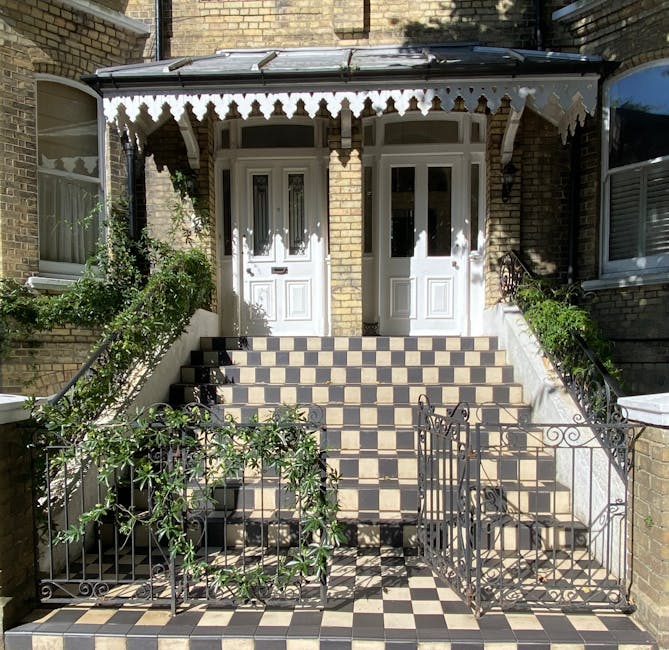
Picture a typical Wandsworth terrace: narrow front path, shared entrance, modest back garden, and a side route that looks usable until you actually try to turn a wheelbarrow into it. On paper, the job is simple: trim growth, clear beds, tidy the lawn, and remove waste. In reality, the access route is the main variable.
In a situation like that, the work usually goes best when the gardener arrives knowing three things in advance: where to park, where tools can be staged, and how waste will leave the property. The first cut might be done with hand tools to avoid struggling through a tight passage. Waste might be bagged in smaller loads rather than piled into oversized containers. If the gate is awkward, it may be safer to remove material in stages instead of forcing a bigger load through a narrow gap.
One customer with a similar layout might think the access problem is "just a nuisance", but then discover it affects everything: the timing of the visit, the number of trips, the amount of noise, and the likelihood of scuffing painted walls. Once the route is mapped properly, though, the job settles down. It is less glamorous than a design makeover, sure, but it is the part that makes the rest possible.
If the plot also needs seasonal clean-up or regular upkeep, it can be worth bundling tasks through lawn care in Wandsworth or ongoing garden maintenance in Wandsworth so the access route is known and repeated work becomes easier to manage.

Practical checklist
Use this before a visit. It is short on purpose.
- Confirm the exact entrance route to the garden.
- Measure any narrow gates, side passages, or doors.
- Check whether parking or unloading space is available.
- Tell the gardener about steps, slopes, and uneven paving.
- Flag shared entrances, communal areas, or neighbour access.
- Remove bikes, bins, toys, and loose clutter from the route.
- Explain how waste should leave the property.
- Share any restrictions on noise, timing, or building access.
- Protect floors and thresholds if tools are moving through the house.
- Send photos if the route is awkward or unusually tight.
Key takeaway: the more clearly you explain access, the more likely the job is to be tidy, safe, and on time. Simple as that.
Get a free quote today and see how much you can save.
Conclusion
Access issues are not just a back-of-house detail for gardeners in Wandsworth. They are often the thing that determines whether a job feels easy, expensive, rushed, or completely manageable. Narrow gates, shared routes, awkward steps, and limited parking all change how the work should be planned. The good news is that most of these problems can be handled with clear information, sensible preparation, and the right tools.
If you remember only one thing, make it this: do not wait until the team is standing outside with tools in hand. A quick walk-through, a few measurements, and a couple of photos can save time for everyone. And in a city garden, that is worth its weight in compost.
When access is sorted properly, the whole garden feels easier to care for. That is a nice place to be, really - practical, calm, and just a little more enjoyable every season.

Possessing expertise as a skilled gardener, Noah has assisted thousands of customers in fulfilling their gardening needs. His proficiency extends to writing, where he focuses on diverse topics related to gardening and landscaping.